Nesting and Hatching, Oh My!

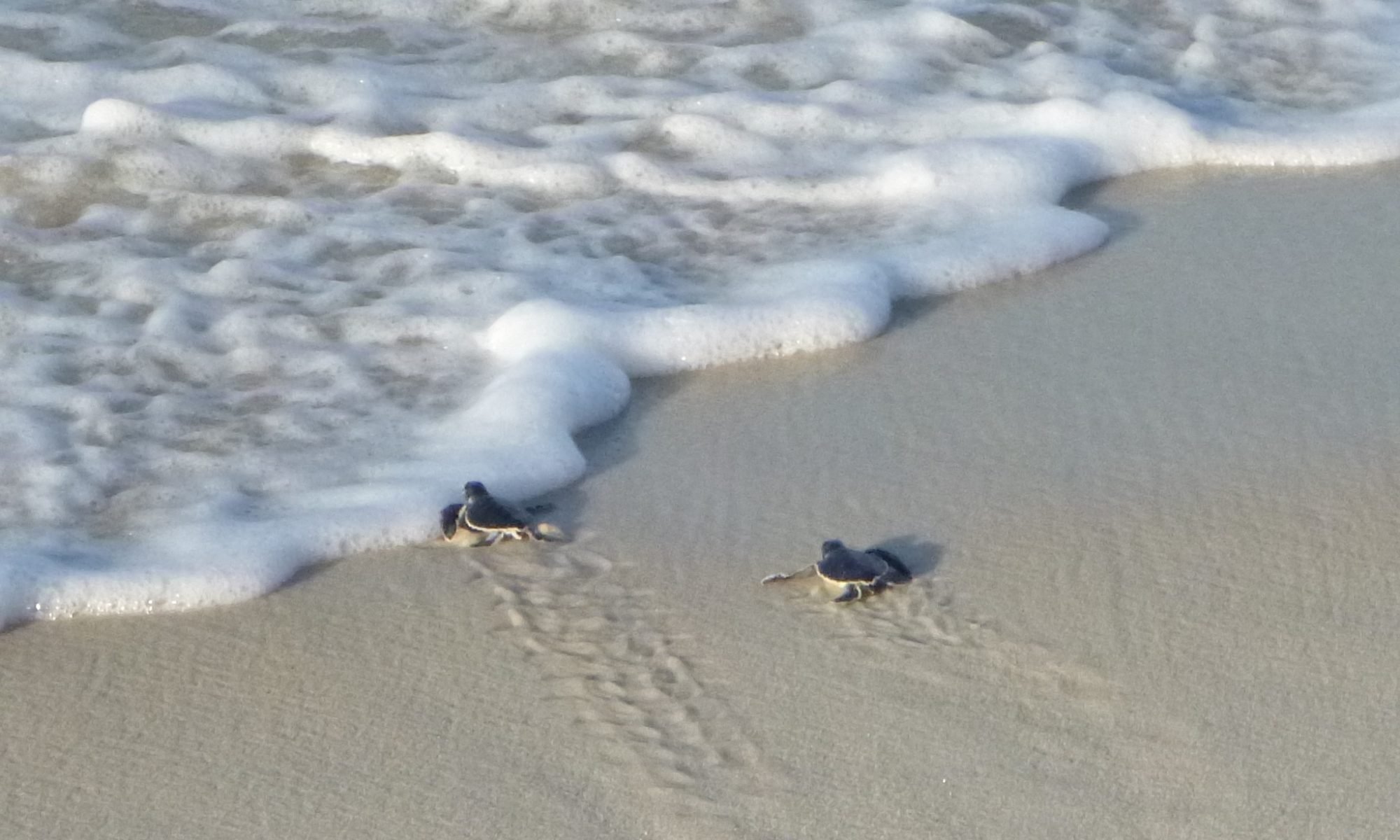
Our volunteers are busy and they are loving it! We continue to find new sea turtle nests and expect to do so for the next few weeks. At the same time, with nests having been on the beach for 2+ months now we are experiencing hatches.

Nesting and hatching typically happen overnight. Please refrain from using any light around a sea turtle. White light and flash photos can be temporarily blinding to them leading to disturbance and disorientation. While you are on the beach, FWC recommends the use of red LED flashlights, give them a try you’ll find your eyes adjust a lot better as well with the red LED flashlight. Also turn off your exterior lights and leave your curtains/blinds closed to reduce interior lights from causing any disorientation.

If you do encounter a nesting turtle please call PCB Police non-emergency at 850-233-5000. If you encounter any hatchlings, you can call them or call the number on the blue sign posted at the nest. Either contact method will reach our volunteers so they can respond. Then stand away from the turtle(s) and give them space.

We don’t post nest locations or when a nest might hatch and quite frankly we don’t know for sure, it’s nature. Our volunteers even miss the hatch a lot of the time because it can happen anytime and can be quick once it starts.

What we will post is any excavations that we can invite the public to attend. Stay tuned to the Events section of our Facebook page for those announcements. If you can’t join us in person, check our page around that time and we’ll try to stream live on Facebook with the video available for replay later.

just in case our surveyors or volunteers needed some extra help finding our latest nest, they could follow the rainbow (photo care of our volunteer team that marked nest 33 today)

Our first 2024 Hatch!

Last night while one set of volunteers was off marking our newest nest, our hatching volunteers received a call about a nest hatching!

Here on PCB, we have very high levels of hatchling disorientation due to artificial beachfront lighting. Our hatching volunteers have been trained by FWC and our local permit holder on procedures for recovering disoriented hatchlings. When a nest has been on the beach about 2 months, volunteers will visit it briefly at night looking for signs of any disoriented hatchlings. We only use red lights when we are on the beach and if turtles are present we try to refrain from even the red light. We ask that beachgoers do the same thing if you are on the beach with a nesting or hatching sea turtle. Think of it like this….you are driving down the road and someone has their bright headlights on “blinding” you OR you are outside at night and someone takes a flash photo of you and now you are “seeing stars”, well that is what it is like for the sea turtles when we shine lights towards them. They then become disoriented and waste precious energy.

You have heard it before
Clean, Dark and Flat
that is what we should strive for on our beaches!

Now that we are in hatching season, we will conduct excavations following a hatch (or when the nest has gone beyond a reasonable incubation period). Stay tuned to Facebook for those events, we will try to give notice a couple days in advance following a hatch. Again, we can’t predict what will hatch tonight, much less a few weeks for now. So stay tuned for excavation announcements via the Events section.

We thank our volunteers in advance for the hours, days and weeks they are committing to helping our protected sea turtles here on PCB. They won’t be able to tell you where a nest is or when a nest will hatch, but they will be able to tell you why they are there and answer questions if you see them on the beach and they aren’t consumed in rescuing hatchlings.

Hatching season kicks off this week!

It’s a date our volunteers have been waiting for….it’s been 2 months since the first nest of the season was laid on PCB and that means we should be entering our hatching season any night now!

Here on Panama City Beach, we have a high level of hatchling disorientation with hatchlings going towards artificial lighting instead of the shimmering Gulf of Mexico.  Our volunteers received training from FWC and our local program to aid or rescue hatchlings if they are disoriented.  No one other than permitted volunteers can handle hatchlings but there are ways that anyone along our 18 miles of beach can help protect hatchlings.  Please help us reduce artificial lighting on the beach, especially if you have noticed a marked nest in the area. Clean, dark and flat is the best environment for hatchlings.

Clean: Leave No Trace, remove all of your belongings and trash from the beach each night
Dark: Keep exterior beach visible lights off and blinds/curtains drawn to reduce interior light visibility, reduce flashlight usage and use red LED flashlights if needed
Flat: Fill in holes and knock down sand castles (this prevents sea turtles from wasting energy struggling as the cross the sand)

Please refrain from touching any hatchlings and do not disturb their nest area.  We know that we have many visitors on the beach so we have various signs, as shown in these photos, to try to share these messages so we can all do our part to help protect the sea turtles on our beaches.

We don’t announce nest locations or predicted hatch dates.  What we will announce is an excavation which will take place 3-4 days after a hatch (we don’t know any further in advance than that).  Where possible, we’ll invite the public to attend the excavation and we’ll also attempt to go live on Facebook for those unable to attend in person.

Thank you in advance to our hatching volunteers for the many hours they are about to spend between now and late October helping to protect the hatchlings on PCB!

Key messages provided to beachfront condos and hotels, contact us if you need these for your complex
New this year, an informational sign at each of our marked nests
PCB’s general information posted at rentals, a great way to Stay PCB Current on many important beach going tips.