****UPDATE****
This season’s online merchandise sale is now closed. We appreciate the support and hope you enjoy your items. If you missed your chance, catch us in 2026!
**************
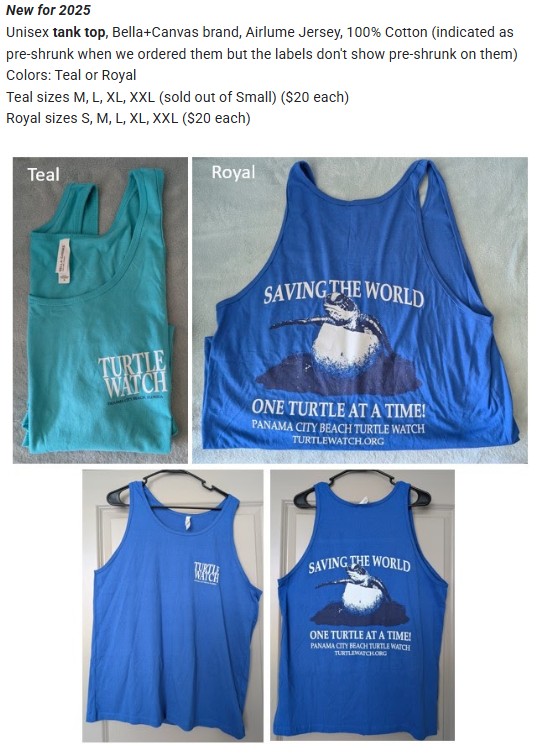
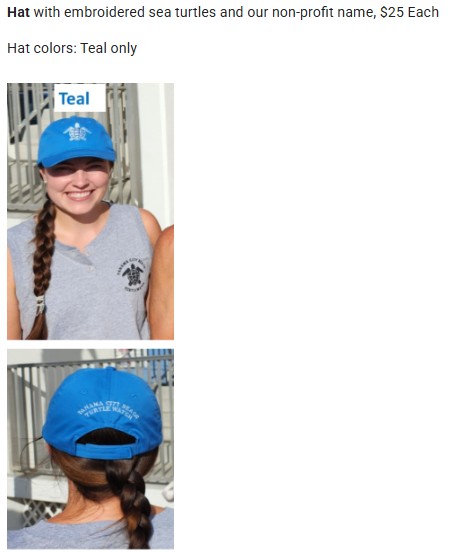
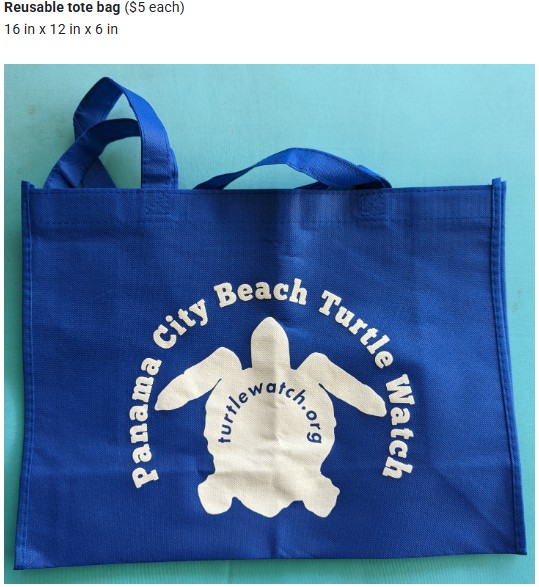
As we prepare to wrap up our season, we wanted to offer a chance for those of you unable to purchase merchandise in person this season a chance to purchase online! Online PCB Turtle Watch merchandise sales are now available through Tuesday October 28, 2025 (or when supplies/sizes are depleted)! We introduced a new item this season, a unisex tank top available in two colors!
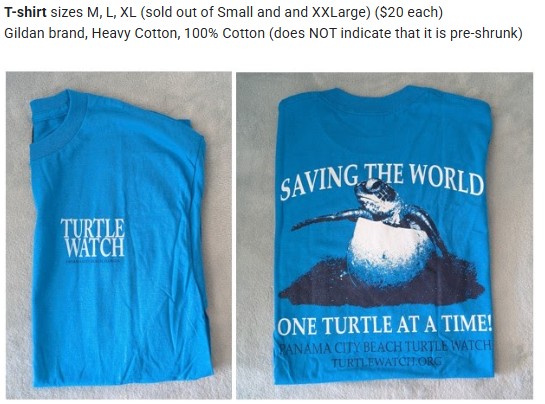
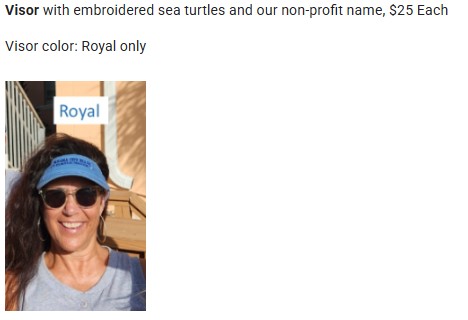
Many of you have asked how you can purchase one of our Turtle Watch t-shirts, hats/visors or reusable bags online and have it shipped. Well now is your chance!
For a limited time between now and Tuesday October 28th, 2025 you can place your order and we will fulfill those orders first come, first serve.
Please see the order form for more information.
Don’t miss your chance, this is a one time opportunity as we wrap up our 2025 season! We appreciate your support this season🐢
As we approach the end of September, we are excited to announce that we have reached over 3000 hatchlings having emerged so far this season! We still have seven nests incubating on the beach, including four green sea turtle nests, so we hope to see more hatchlings emerge before our season comes to a close. We do not announce the location of our nests or any dates related to a possible hatch. The only thing we announce (on Facebook) is an excavation that is scheduled once a nest has hatched and takes place 3-4 days after the hatch.
Please remember if you are lucky enough to be on the beach after dark and encounter hatchlings, please do not use any lights (not even red lights and no flash photography) to try to avoid any disorientation. If you do not see volunteers present but see hatchlings, please call the number on the blue sign of any nearby nest or call local PCB Police via non-emergency 850-233-5000 and we’ll send our volunteers out.
Volunteers excavating nest 42 (Photo courtesy of volunteer Jason Taylor)
In 2024 we had no green nests on PCB. In 2025, we were happy to see the greens return and we have seven green nests on the beach currently and one of those hatched last night
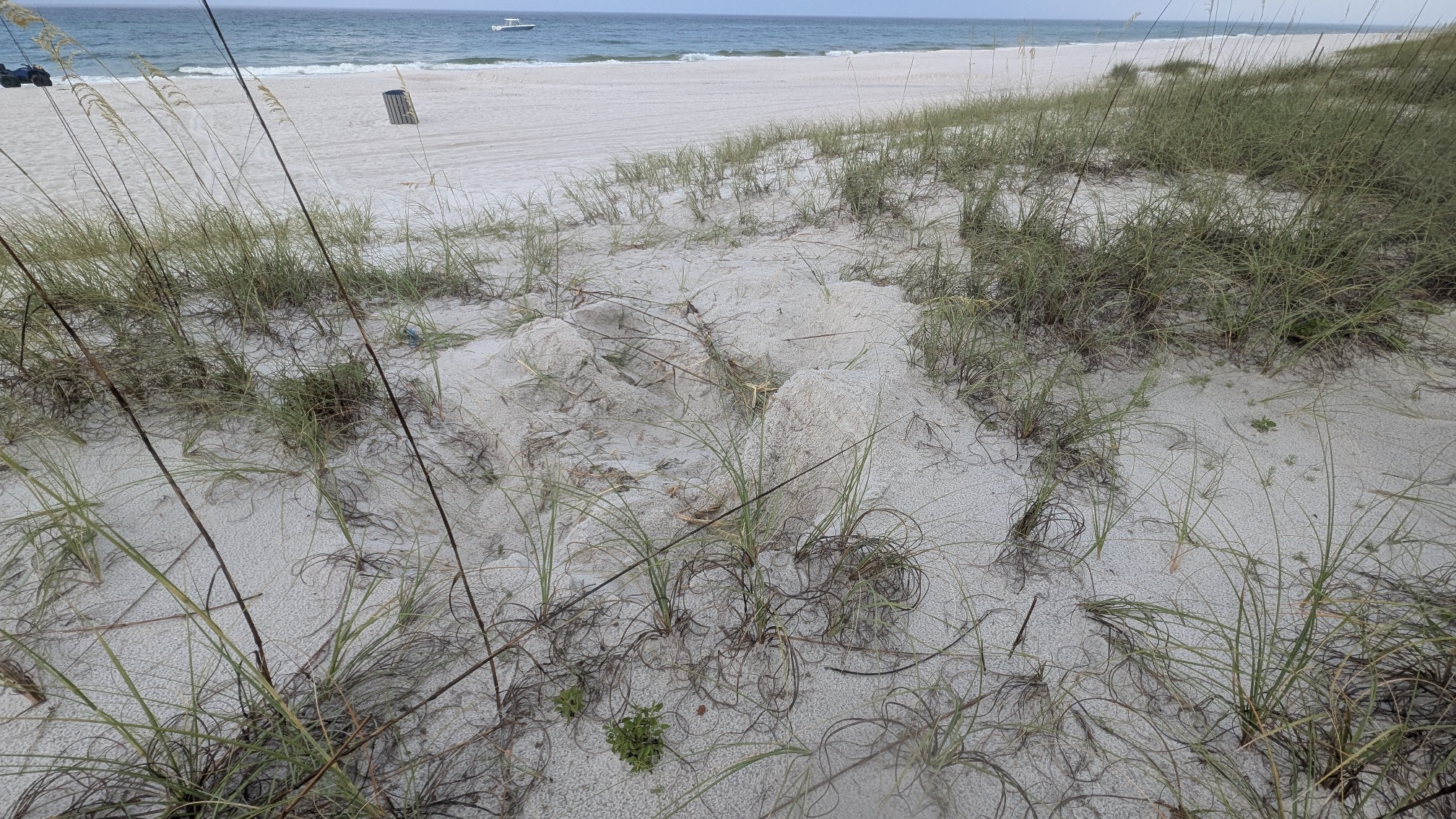
When greens nest they commit and crawl to a suitable location, move a lot of sand and commonly lay high beach or in the dunes (without respecting the protected sea oats). That was the case for this nest when she nested in the dunes a couple months ago. Last night hatchlings emerged and made their way to the water from this nest. We’ll be announcing this excavation soon but couldn’t wait to share the news that green hatchlings have hit the beach this season
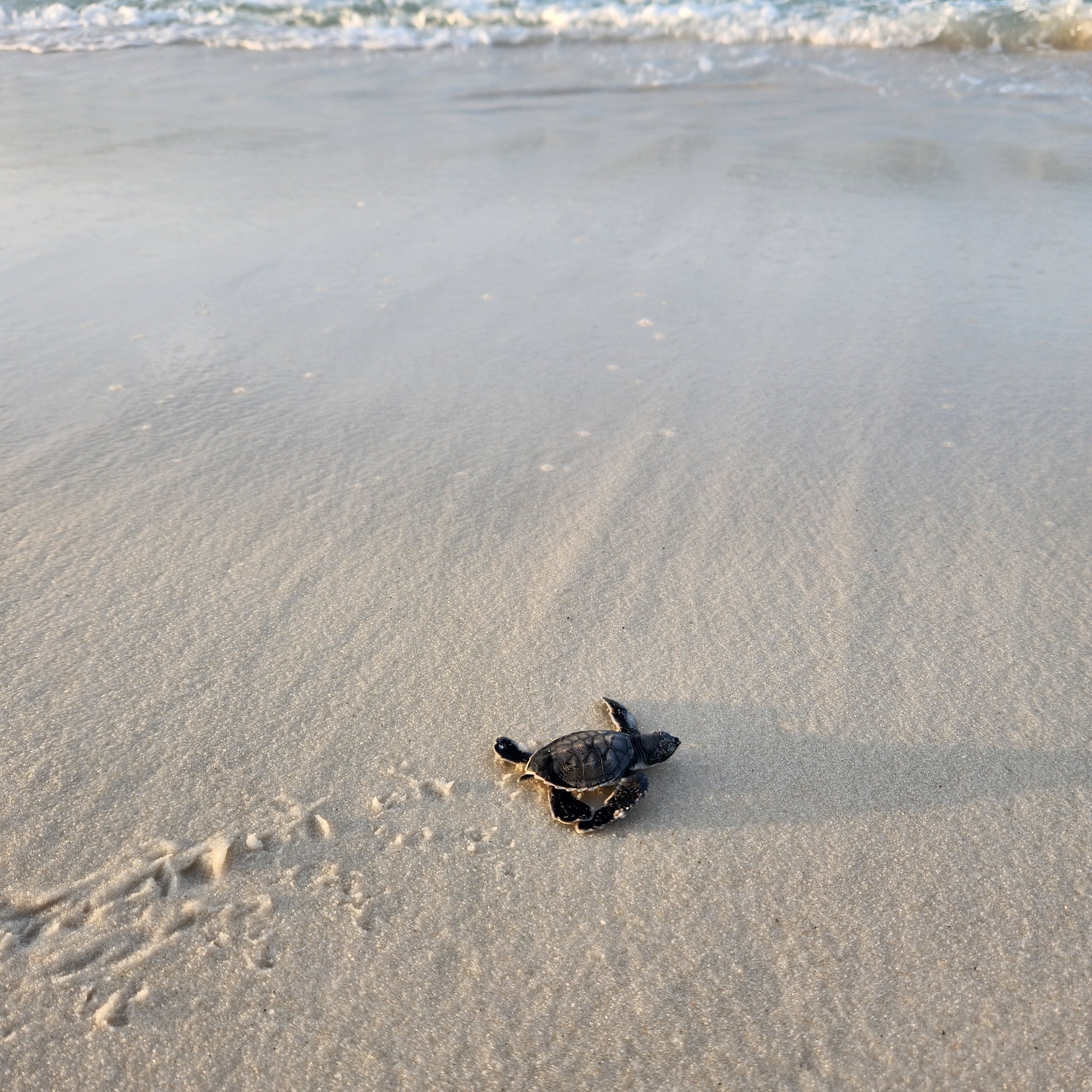
Photos: a green hatchling heading to the water during 2023 and the 2025 nest the morning it was found
Under our FWC MTP-038, we conduct a nest excavation three to four nights following a hatch (or at such time that a nest hasn’t shown signs of hatch and is beyond it’s reasonable incubation period). Where possible, we announce those excavations on our Facebook page under Panama City Beach Turtle Watch under the Events section. Knowing not everyone can attend in person and that some beachgoers saw the nest during their visit and may be interested in the outcome, we try to do a Facebook Live of the excavation. If we are unable to Facebook Live, we’ll try to do a video and worst case we’ll post the results and maybe some pictures. Immediately following the excavation, we show samples of the nest contents to everyone in attendance.
For those of you not on Facebook, here is a video of the samples from nest 32. We had hatched eggs, unhatched eggs that won’t hatch at this point and in the chamber was a single hatchling that didn’t make it out four nights prior when the rest of the hatchlings emerged. This hatchling was released that evening into the Gulf.
Earlier this season, our wildlife observer encountered a nesting loggerhead. Upon observation, she was found to have passive tags already installed. We checked our local records and found we had just tagged this turtle two weeks prior while she was on our beach nesting. This is the very reason we apply tags to the nesting females when they are encountered as it is the only way to know on our beach if we have returning nesters. Not only did this loggerhead return, she nested less than 300 feet away from her prior nest! She could have laid other nests during the season as they can nest every two weeks between May – August!
So far we are at 47 nests laid, 6 green and 41 loggerhead nests with 20 hatches so far.
Everyone can do their part leaving our beaches clean, dark and flat! If you see hatchlings on the beach, call the number on the blue sign of the nest to reach our volunteers. If you see a nesting female or hatchlings away from a nest, call PCB non-emergency police at 850-233-5000 and they will contact our volunteers.
All activities performed under MTP-038.
Loggerhead nests laid by the same turtle two weeks apart
After patiently waiting just over two months since our first 2025 PCB Sea Turtle nest was laid, we have had a nest hatch….not just one but seven nests have hatched in the last four nights. We don’t publish our nest locations or the date they were laid, but we do announce excavations when possible.
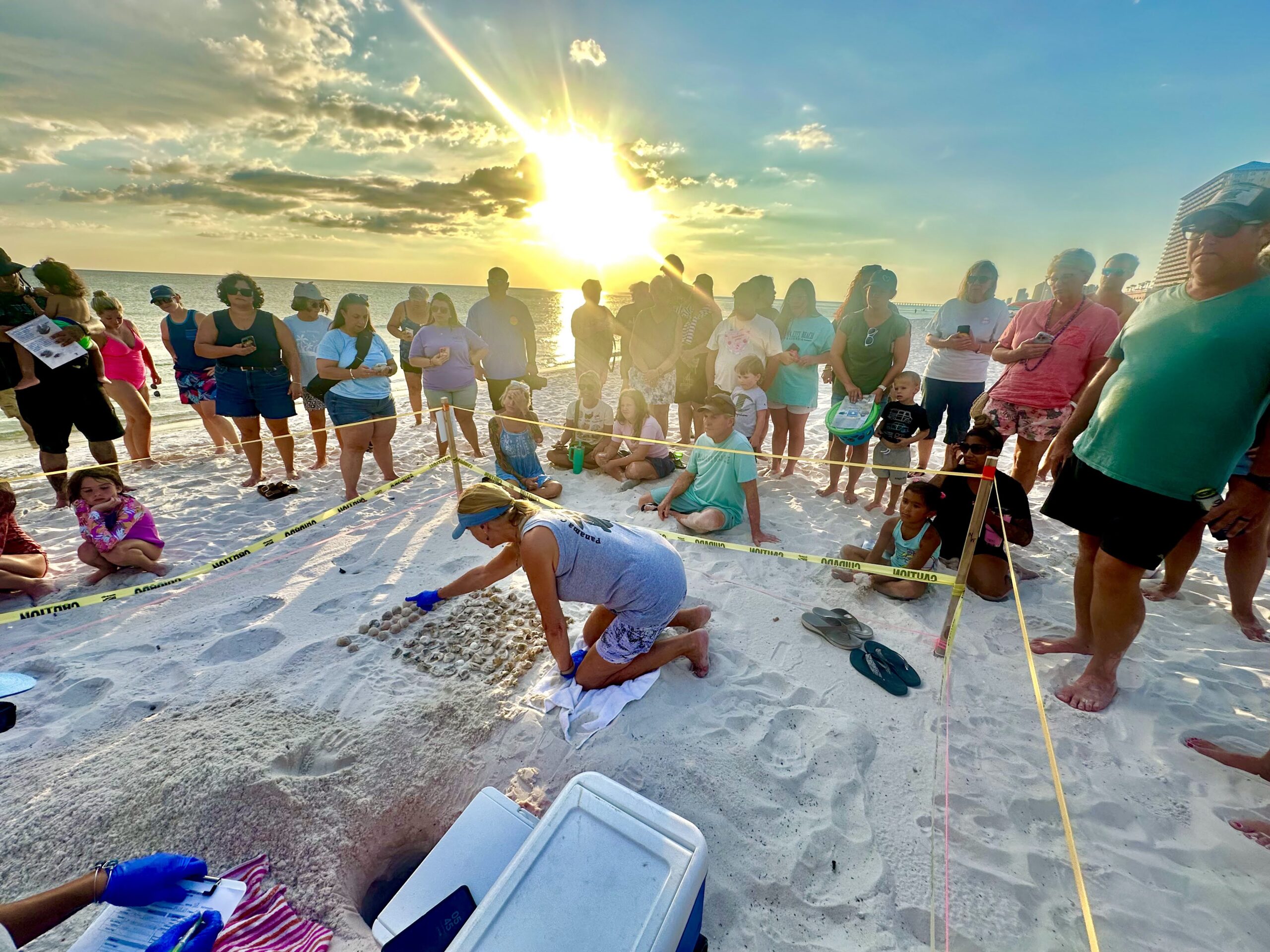
An excavation is conducted per the FWC Permit we operate under. Our volunteers will share information on how we found the nest, protected it and when/how it hatched. We’ll also share information on the sea turtle species common to our beaches and how you can help protect these wonderful creatures! Everyone attending will have a chance to see a sampling of the nest contents and take photos since the excavation occurs during daylight hours.
Following a hatch, if we are able to schedule a public excavation, we will post it as an Event here on our Facebook page, Panama City Beach Turtle Watch, with 1-2 days notice. So stay tuned as we hope to have many upcoming excavations over the next two to three months.
If you are lucky enough to be on the beach and encounter hatchlings (nests commonly hatch overnight) at night, refrain from using any lights or flash photography around the hatchlings as it can cause disorientation. Please call the local hotline found on the blue sign at the nest or PCB Police non-emergency at 850-233-5000 so we can have our volunteers respond.
Photo: volunteers laying out the contents (hatched an unhatched eggs) of a nest during a 2024 excavation, work conducted under MTP-038
POV = a nesting green sea turtle making her way to a suitable nesting spot (at the toe of the dune) and then back to the water
We have our 3rd green nest of the season! Special thanks goes to the local police officers that came upon a nesting turtle in the wee hours of the morning. They called our volunteers and accompanied the turtle until the volunteers arrived. Special thanks also goes to our volunteers for being ready any time of the night or morning to respond. They made sure she safely returned to the water and then marked the nest for protection, nest 39.
Just a couple hours later, volunteers responded to the beach to mark nest 40, a loggerhead nest, for protection when that was found by a morning surveyor. These volunteers have had a busy start to their week and we appreciate them and all of our other volunteers ❤️🐢
In the past week, we have reached nest number 36 of the season. For those following along since last year, that exceeds our total nest count from 2024 (34 nests) and we found our second green nest of the season as well. We love our loggerheads, we really do, but the power and determination of the green nesting female is something we never tire of seeing.
Just like our first green, this green made her way to the dunes, dug an impressive body pit and followed much of the same path back to the water.
Green nest in the dunes, she crawled 172′ from the water to find her desired nesting siteGreen nest in the dunesVolunteers marked the nest area after the surveyor found the nest, look towards the top right of the marked nest area and see the depth of the body pit, the greens definitely move some sand and in this case some sea oats too!
If you encounter a marked nest area, please respect it and avoid entering it for any reason (as indicated by the yellow FWC and blue local signage). Most everyone seems to comply but unfortunately we have seen footprints inside some of our nest areas, we need to all do our part to protect them!
Please remember, if you encounter a sea turtle on our sandy beach at night, please refrain from using flash photography, use no lights at all (causes disorientation), avoid her track and any disturbed sandy areas, observe from the back side of the turtle from a distance and contact PCB Police non-emergency at 850-233-5000. They will contact our on-call volunteers to respond and protect the turtle and the nest she lays.
Everyone can do their part leaving our beaches clean, dark and flat!
All activities performed under MTP-038.
Our latest loggerhead nest, nest 36 of the season!
One of our wildlife observers encountered a nesting green sea turtle the evening of July 1st by spotting the large flipper pattern in the sand from the water’s edge. The turtle was found nesting in the dunes. Volunteers responded, a passive identification tag was applied to turtle and measurements were taken. The tagging program allows us to report her info to a database in the event that any other organization finds her and reports her tag number, they will know she was nesting on our beach on July 1st (no tags were found upon initial inspection, thus the installation of a tag).
The nesting process for a green involves the movement of a lot of sand! The turtle digs a body pit putting her below the normal sand height, digs the chamber with her rear flippers, drops the eggs, and packs sand on top of them. She then uses her powerful front flippers and sprays sand behind her to cover the area well. Greens often nest in the dunes and that was the case for nest 31’s mama. She uprooted a few sea oats in the process and flattened some others with her approximate 300 lb body. After covering her nest well, she made a turn towards the water, slid down the dune she was in and made the 150’+ crawl back to the water. Fortunately for this turtle, she chose a dark quiet beach where she wasn’t disturbed by artificial light. Volunteers present captured some photos and videos using either night mode on the phone or a thermal monoscope.
The nest was marked for protection. Average incubation is about two months at which time we’ll start checking for signs of hatching following our permit guidelines. A few days after it hatches, we’ll conduct an excavation to assess the nest contents and record the nest contents and success.
While in Panama City Beach, if you encounter a sea turtle on the sandy beach at night, please refrain from using flash photography, use no lights at all (causes disorientation), avoid her track and any disturbed sandy areas, observe from the back side of the turtle from a distance and contact PCB Police non-emergency at 850-233-5000. They will contact our on-call volunteers to respond and protect the turtle and the nest she lays.
Remember, everyone can do their part leaving our beaches clean, dark and flat!
All activities performed under MTP-038 and MTP-286
Nesting green (top center of photo) in the dunes during her nesting process. Notice the track leading to the dunes, and the amount of sand moved to begin her nestingGreen sea turtle returning to the water after nesting, her shell covered in sand from her nesting activitiesArial view of the green track and nest the following morning
When they aren’t out marking nests or monitoring for hatch activity, some of our volunteers conduct local education outreach. We love when we are contacted by local organizations to share information about our program and protecting sea turtles. The audiences range from elementary age students to local civic organizations and weekly guests at local hotels or condos. In the last few months, we have had the chance to conduct education outreach at Rising Leaders Academy, Bay Day, Waller Elementary, Hutchinson Beach Elementary and Landmark Holiday Beach Resort. We are always excited by the interest everyone has during our presentation and then the questions they ask. We enjoy getting the opportunity to present and then let get an up close view of our educational specimens and items that help everyone understand the dangers to sea turtles and how they can help.
Bay Day students examining our sea turtle artifactsBay Day students learning about the powerful jaws of a loggerheadBay Day students learning about sea turtles and how it takes 25-30 years to reach adult size and maturityAttentive students at Rising Leaders AcademyRising Leaders taking a close look at our education specimensRising Leaders learning about the dangers to sea turtles and how they can help prevent these dangersLandmark Beach Resort guests learning about sea turtles that frequent our beach and how they can help by keeping the beach clean, dark and flat while visitingHutchinson Elementary students examining our educational specimensHutchinson Elementary students getting a close look at a loggerhead shellWaller Elementary students learning about sea turtle hazards and getting a look at the model of a sea turtleWaller Elementary students learning about our nesting and hatching programAttentive Waller Elementary students